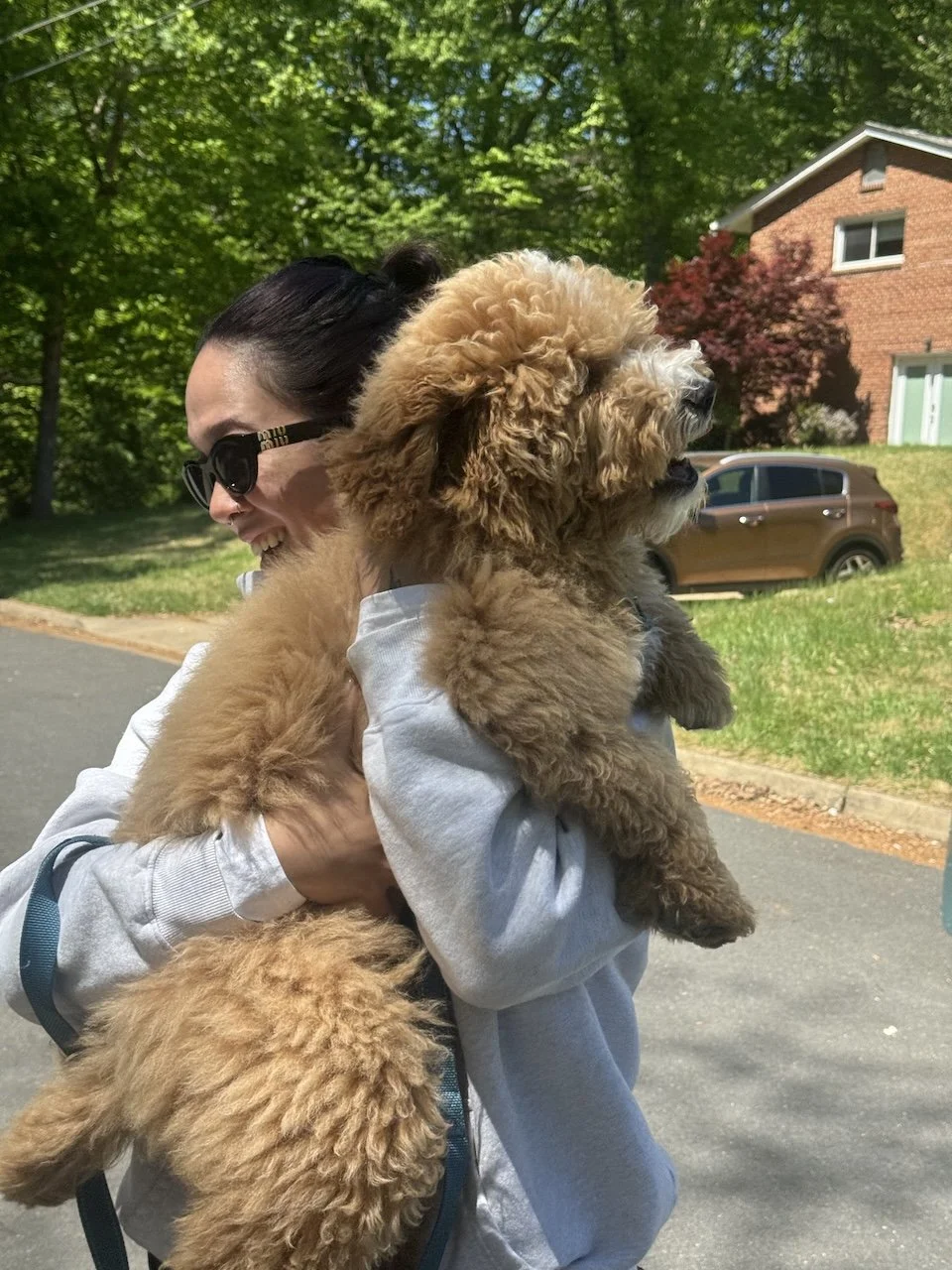
Bringing a dog into your life is exciting, but a close relationship does not always develop overnight. Just like any relationship, the bond between you and your dog can grow as you spend time together, communicate, and learn more about each other.
Dogs can develop meaningful attachment relationships with humans, and research has found that human behavior, attitudes, and interactions can influence the dog-human relationship [1]. Whether you recently brought home a new dog or simply want to strengthen your existing relationship, bonding is something you can actively work on.
Below are four different ways you can bond with your dog.
1: Learn What Your Dog Actually Enjoys
One of the best places to start is learning what your individual dog likes. Not every dog enjoys the same type of attention. One might love being petted, while another would rather play tug or go for a walk.
Bonding can develop through shared interests, experiences, preferred activities, and reinforcers [2]. Pay attention to how your dog responds when you introduce different activities. If your dog moves away during petting, for example, physical affection may not be as rewarding as play or exercise.
The goal is not to force a particular type of interaction. Instead, get to know your dog as an individual and discover the experiences you both enjoy.
2: Spend Meaningful Time Together
Quality time can be as simple as going for a walk, playing fetch, exploring a new place, or relaxing together. Research examining dog-owner compatibility has linked shared enjoyment of activities like walking and social interaction with a better human-dog relationship [3].
Consistency matters, too. Making time for your dog each day provides more opportunities to interact and learn about one another. Even routine activities can become valuable one-on-one time. Grooming, for example, can help dogs become comfortable with having their body and feet handled while providing an opportunity to build trust [4].
3: Make Training Part of Your Relationship
Training is about more than teaching your dog commands. It gives you and your dog an opportunity to communicate and work toward goals together.
Obedience training can serve as a bond-building activity while developing useful everyday behaviors such as recall and polite walking [5]. Training sessions also give you the chance to learn what motivates your dog. Depending on the individual, that might include food, toys, play, touch, or another valued reinforcer.
Keep training clear and consistent so your dog has the opportunity to understand what is expected. As your communication improves, training can become another activity you share rather than simply a list of behaviors your dog needs to perform.
4: Build Trust Through Everyday Routines
Bonding does not have to happen during special activities. Feeding, walking, training, playing, grooming, and spending quiet time together all create opportunities to strengthen your relationship.
In fact, dogs and owners with greater compatibility in their activity preferences were also reported to engage in more frequent walks and play and to have more consistent feeding routines [3]. Learning which routines and interactions work well for your particular dog can help make your everyday life together more rewarding.
Most importantly, give the relationship time. Every dog has a different personality, history, and set of preferences. A strong bond is something you continue building as you learn to understand and communicate with each other.
Build a Stronger Relationship With Nova Pack Dog Training
A strong relationship with your dog starts with better communication, consistency, and an understanding of what motivates your individual dog. Professional training can help you develop those skills while giving you and your dog opportunities to learn and grow together.
If you want to improve communication, strengthen everyday skills, and create a more productive relationship with your dog, contact Nova Pack Dog Training today to learn how professional training can help you and your dog move forward together.
Sources: