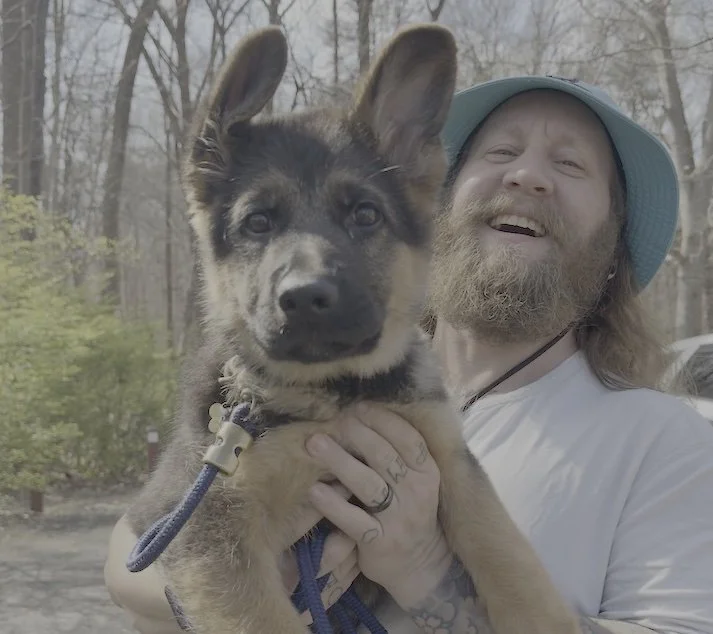
Bringing home a new puppy is exciting, but those first few weeks can also feel overwhelming. Your puppy is learning a brand new home, routine, family, and set of expectations. The habits you build early on can shape how your dog responds to training, structure, boundaries, and new experiences later in life. With patience, consistency, and the right guidance, you can help your puppy feel secure while building the foundation for long-term success.
Start With Structure First
Before focusing too heavily on commands, new puppy owners should focus on creating a safe, predictable environment. Puppies need to learn that their owner is a reliable source of guidance, comfort, and leadership. Early puppy training should begin with trust, structure, and relationship building, not just obedience drills [1].
This means keeping routines consistent, supervising your puppy closely, and giving them clear expectations. Feeding, potty breaks, rest time, playtime, and training sessions should happen on a regular schedule whenever possible. Structure helps your puppy understand what happens next, which can reduce confusion and encourage better behavior.
Begin House Training Right Away
House training should start the day your puppy comes home. Puppies need frequent potty breaks because they are still developing bladder control. Young puppies often need to go outside after eating, drinking, waking up, and playing [2], so owners should plan for many trips throughout the day.
Supervision is one of the most important parts of house training. If your puppy is loose in the home without someone watching, accidents are much more likely. When you cannot supervise, use a crate, exercise pen, or puppy-safe confined area. When your puppy eliminates in the right place, reward calmly and immediately. If accidents happen, clean them thoroughly and adjust your supervision instead of punishing the puppy.
Use the Crate as a Helpful Management Tool
A crate can be valuable during the first weeks with a new puppy when it is introduced properly. Crate training gives puppies a safe place to rest while also helping with house training and household management [3]. It can prevent chewing, reduce accidents, and give your puppy a quiet place to settle when they need downtime.
The crate should never feel like punishment. Make it comfortable, place it near family activity, and build positive associations with meals, treats, and calm rest. Puppies should also receive plenty of exercise, training, and social interaction outside the crate so confinement remains balanced and appropriate.
Socialize Without Overwhelming Your Puppy
Socialization is one of the most important parts of early puppy development. During the first few months, puppies are forming opinions about the world around them. Gentle exposure to people, places, sounds, surfaces, and situations can help puppies grow into more confident, adult dogs [4].
This does not mean throwing your puppy into chaotic environments. Instead, introduce new experiences gradually. Let your puppy observe traffic, hear household noises, meet different types of people, and experience new textures under their feet. Keep sessions short and controlled. If your puppy seems nervous, create distance and let them recover. The goal is confidence, not flooding them with too much too fast.
Set Boundaries Early
Puppies are cute, but behaviors that seem harmless at eight weeks can become frustrating as they grow. Jumping, nipping, chewing furniture, barking for attention, and ignoring personal space should be addressed early with consistency and clear rules.
Every family member should follow the same expectations. If the puppy is not allowed on furniture later, avoid allowing it now. If biting hands is not acceptable, redirect to appropriate toys every time. Early boundaries do not mean being harsh, they simply teach your puppy how to live successfully in your home.
Be Patient Through the Adjustment Period
The first weeks with a puppy require patience. Your puppy may cry at night, have accidents, chew the wrong items, or struggle to settle. These challenges are normal. Puppies are still learning how to communicate, self-regulate, and understand their environment.
Progress comes from repetition, routine, and calm follow through. When owners stay consistent, puppies begin to understand what is expected of them.
Build a Strong Foundation With Professional Guidance
The first weeks with a new puppy are the perfect time to build healthy routines, establish clear expectations, and prevent common behavior problems before they become long-term habits [5].
If you want help creating structure, improving communication, and guiding your puppy through these important early stages, contact Nova Pack Dog Training today to start building the foundation for a confident, well-mannered dog.
Sources: